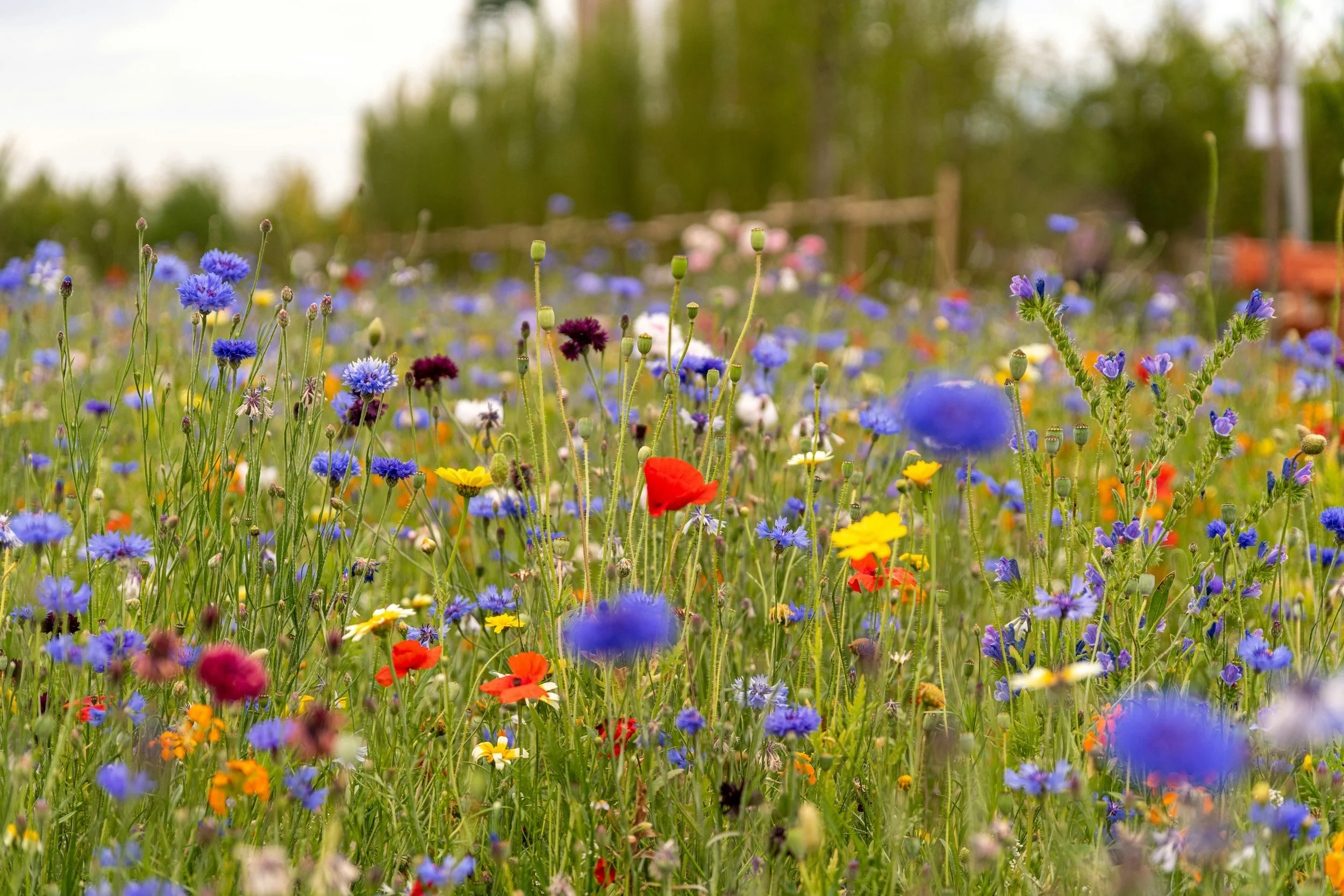
Flower meadows
Photo by Stephan Erickschen
Interesting facts
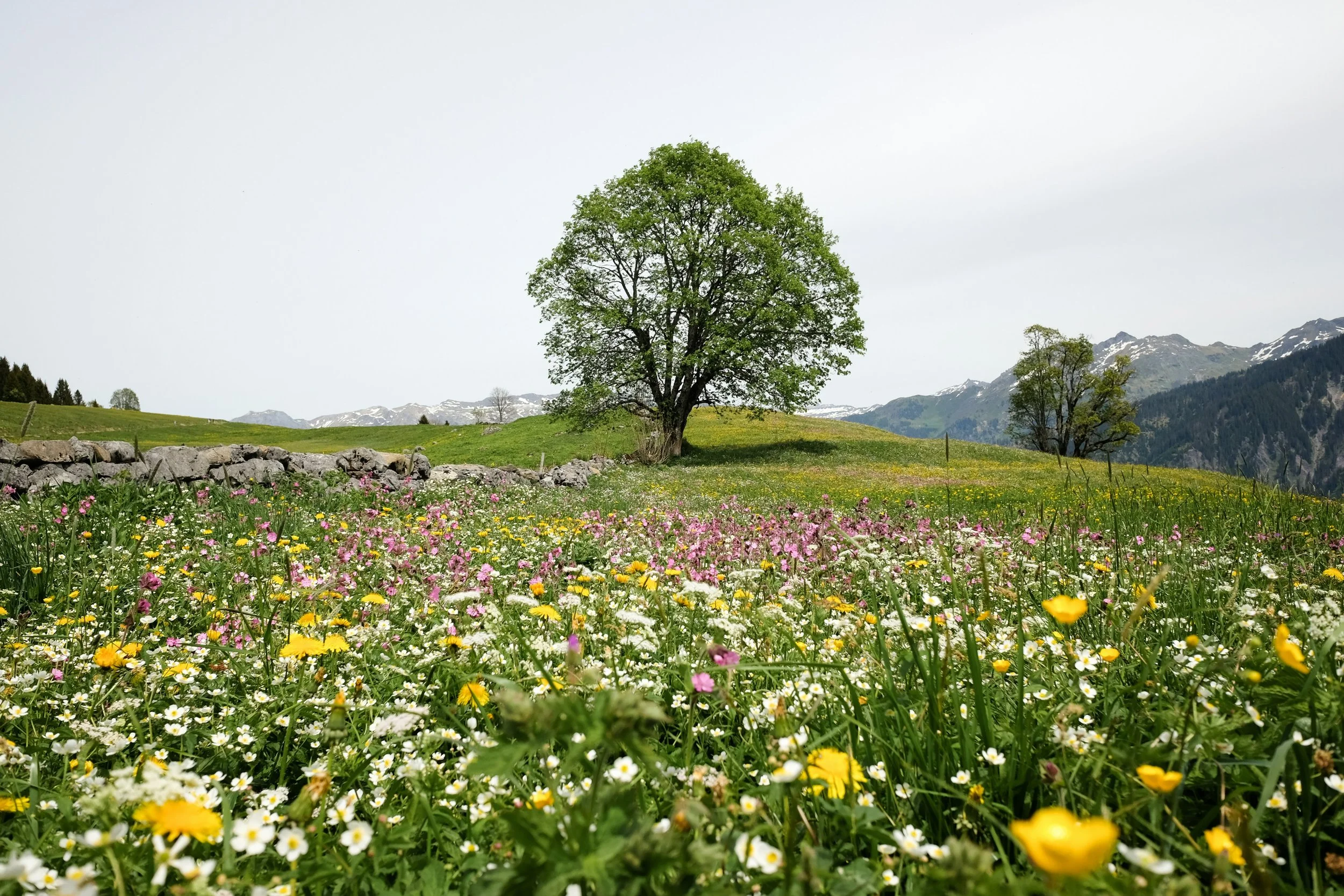
Flower meadows are biodiversity hotspots
Flower meadows act like natural air filters
Meadows thrive in poor, unfertilized soil
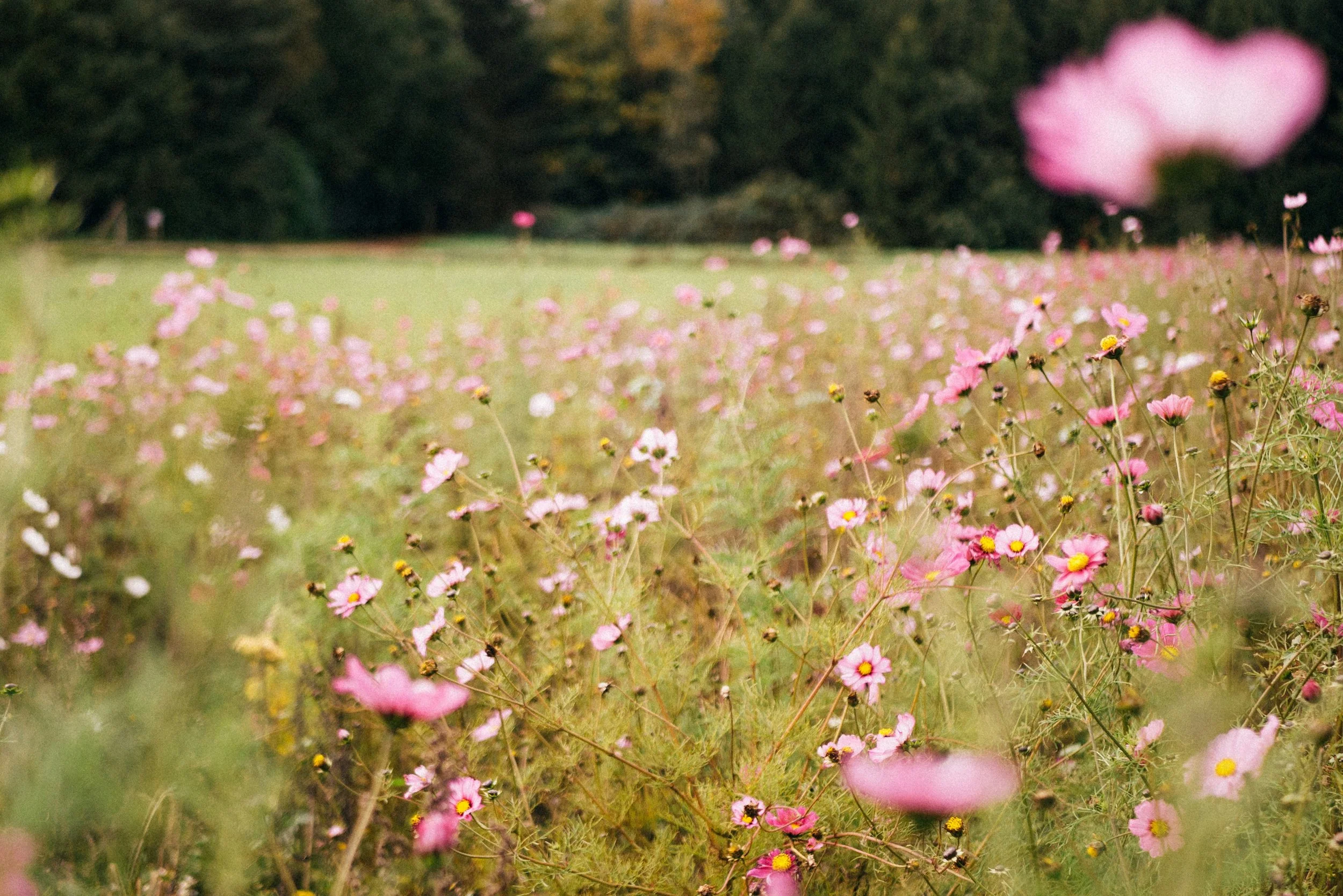
Meadow in the Netherlands
Meadows are micro-cities for wildlife. Bumblebees, fungus, mammals and birds all supported by the meadows rich diversity of wildflowers. Flower meadows are most common in Europa, but you can also find large concentration in China and Australia. Southern Transylvania in Romania is a special place for flower meadows, showing some of the last European medieval landscapes.
Photo by Mattee
Since the 1930s, 97% of all flower meadows have been lost in the UK. This is a devastating number as these flower meadows can help our planet now that we’re facing global warming. In Norway a lot of these flower meadows are old traditional hay meadows, and because of modernized farming we no longer tend the meadows as before and the area overgrow. By integrating some of the old techniques used when farming, such as cutting grass with a scythe we can help prevent the flower meadows. Removing bushes and scrubs we can prevent the old meadows from overgrowing.
Make yourself a mini flower meadow at home, using wildflowers and knit yourself a sweater to go with it. Be both sustainable for the planet and the species reliant on the meadows, and be sustainable for the planet and yourself by making something that’ll last you a lifetime and some.
Places from the gallery from left to right:
Suceava (Romania), Transylvania (Romania), Alberta (Canada), Utah (USA), Kirkkonummi (Finland)
The dying meadows
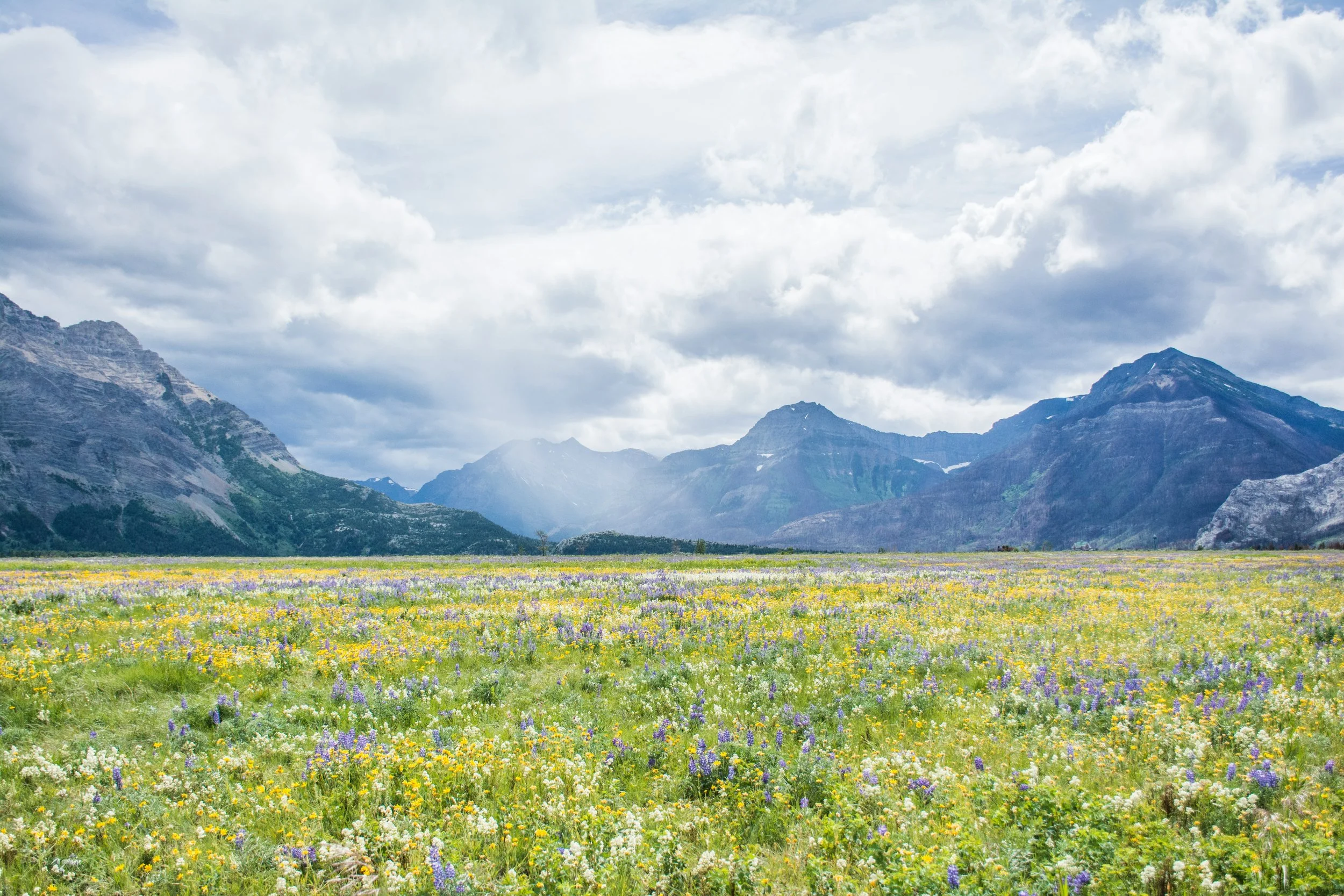
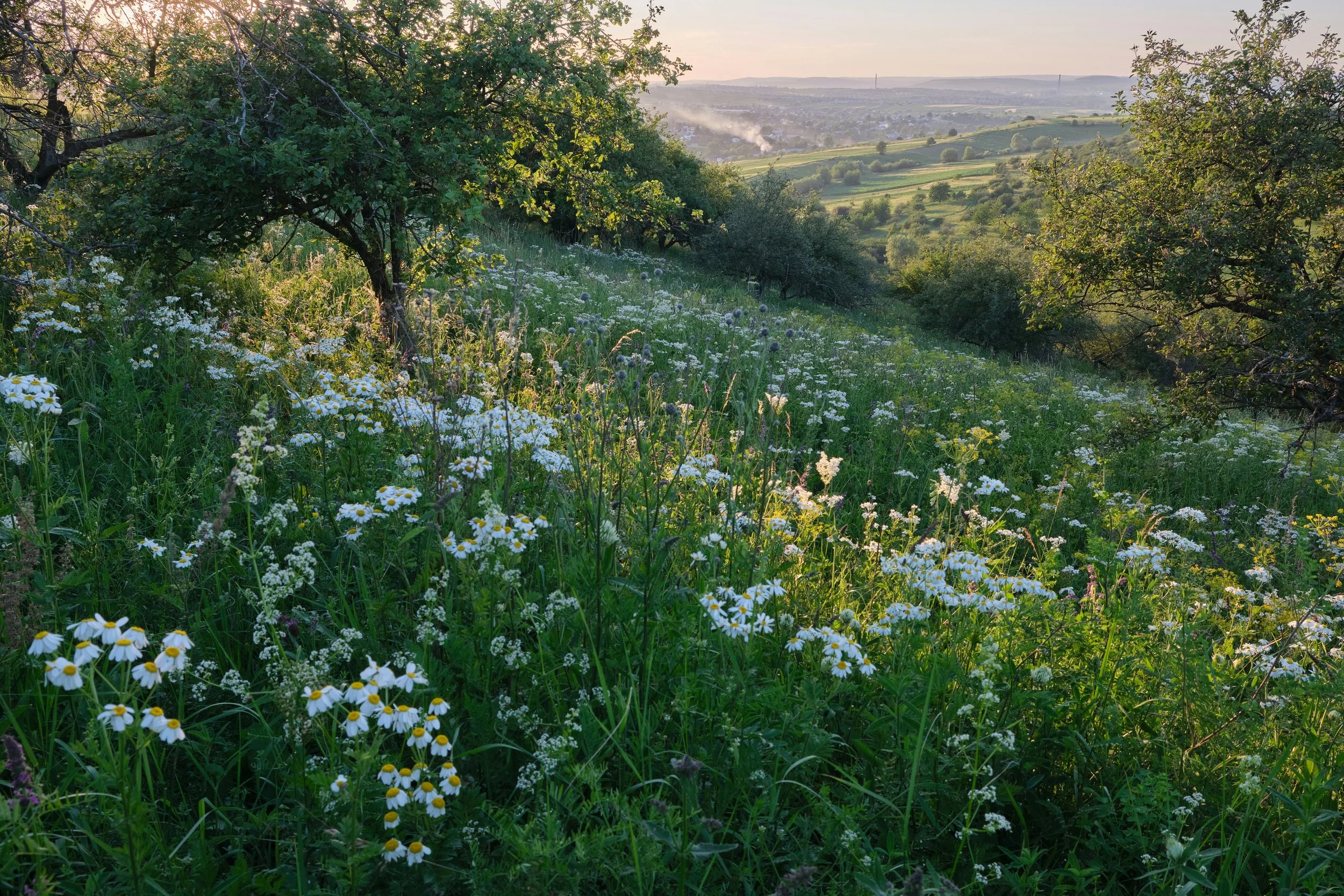
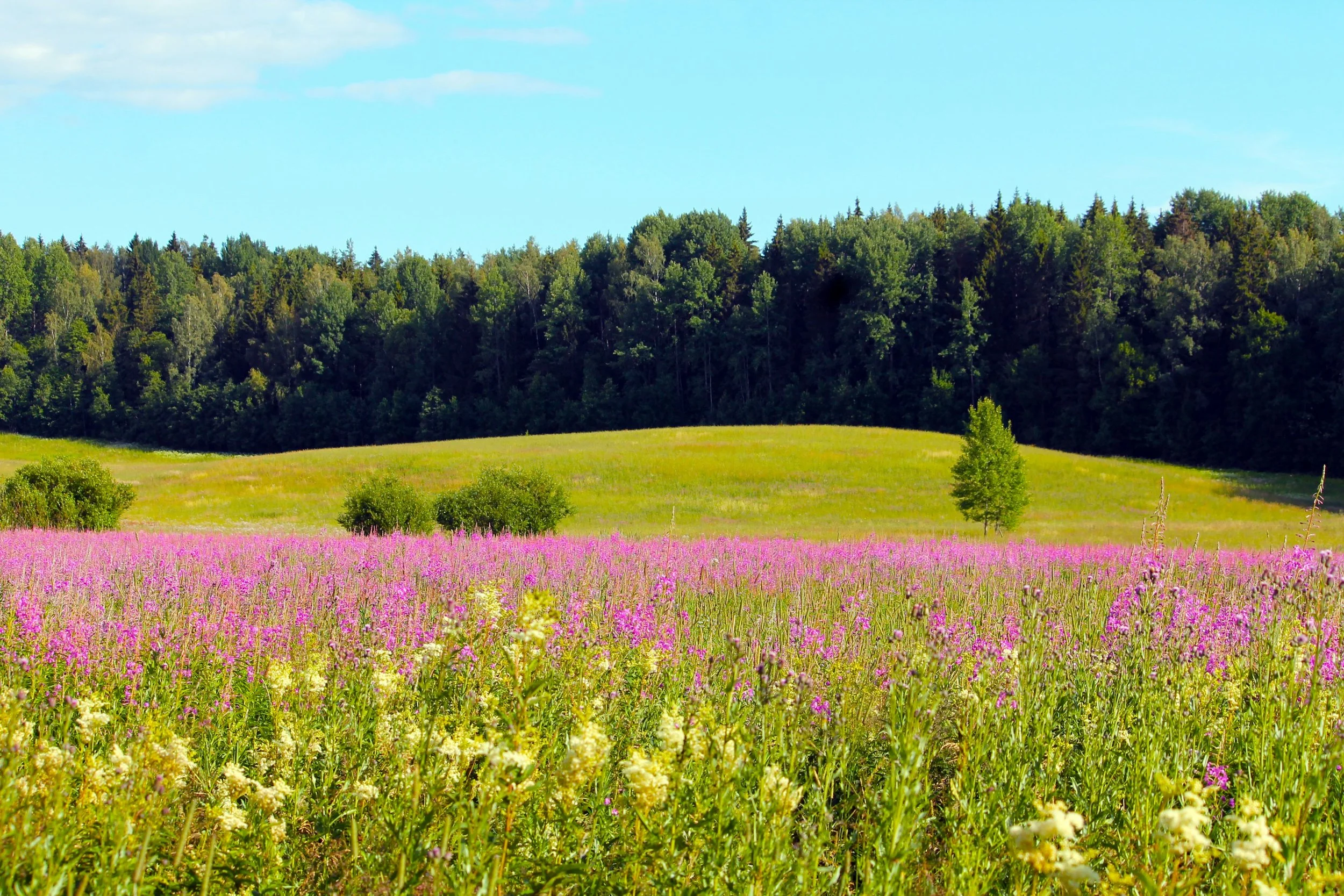
Photo by Sharissa Johnson
Photo by Daniel Pintilei
Photo by Harald Attila
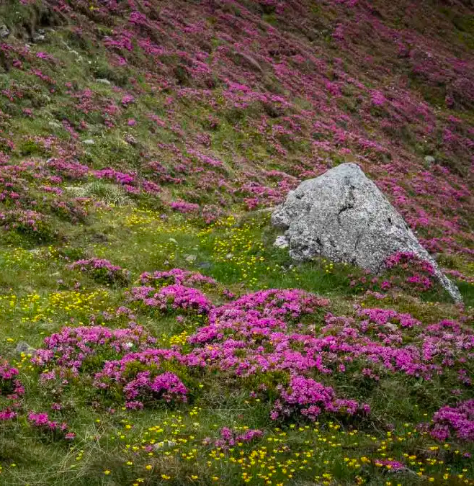
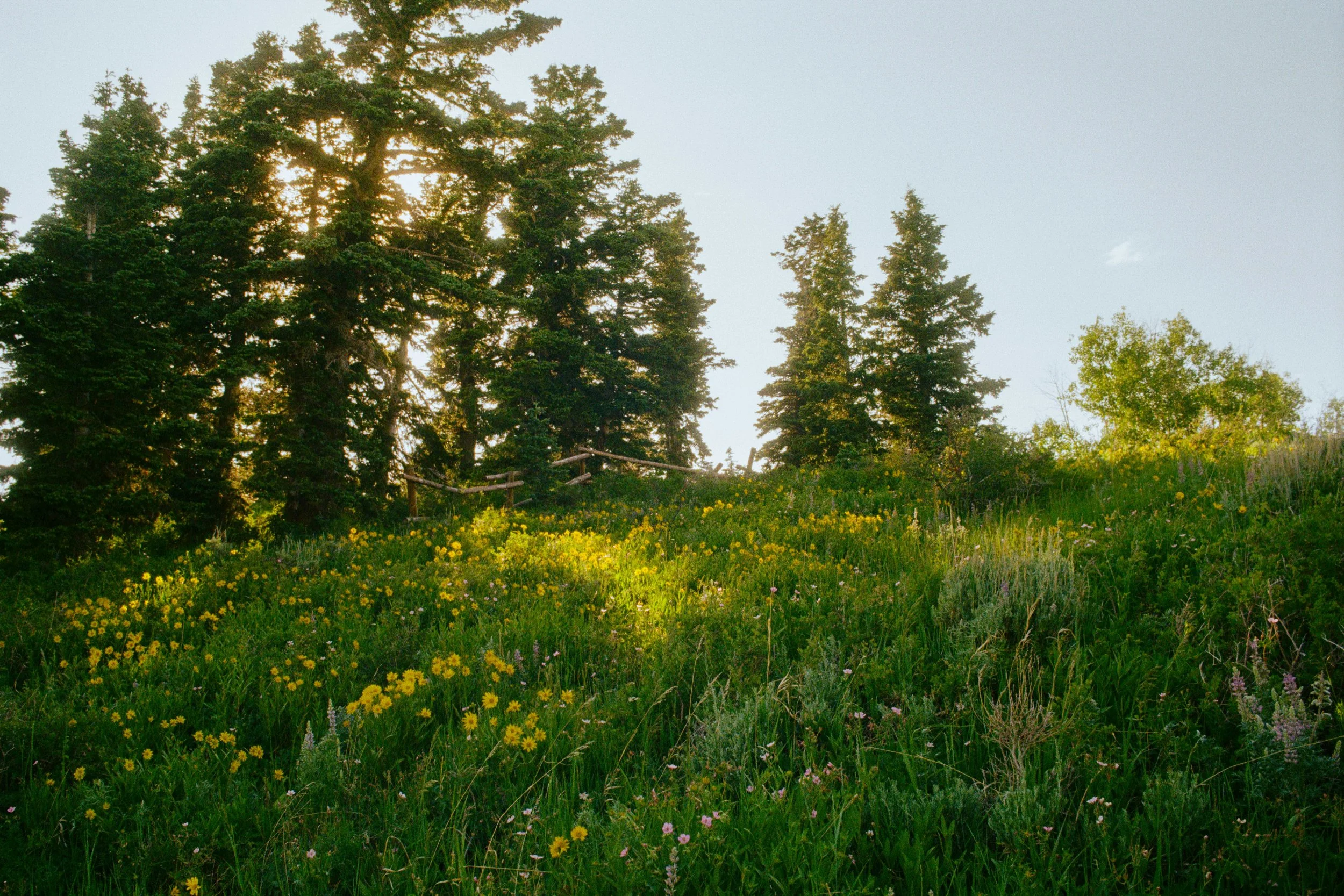
Photo by True Romania
Photo by Urvish Oza